01
The React app feels fast in pieces but messy as a product
Routes, layouts, data fetching, loading states, metadata, and deployment behavior need one clear architecture instead of scattered components.
Plan, build, integrate, and launch a modern Next.js experience with clean App Router architecture, reusable React components, server rendering, APIs, and production-ready deployment.
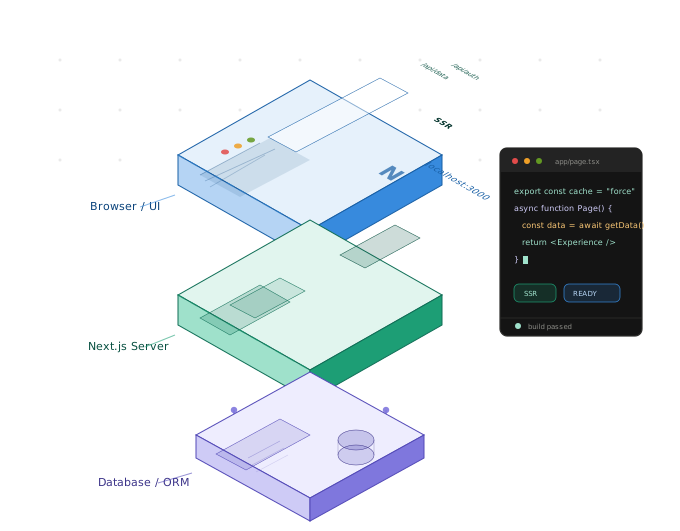
Next.js works best when routing, rendering, data, content editing, integrations, deployment, and performance are designed as one system.
 Next.js
 React
React Node.js
 Google Cloud
 PostgreSQL
 Strapi
 Cloudflare
 AWSNext.jsReactNode.jsGoogle CloudPostgreSQLStrapiCloudflareAWS
Good Next.js development is not just installing React packages. It is the route structure, rendering strategy, data flow, component system, SEO, integrations, and launch process working together.
Routes, layouts, data fetching, loading states, metadata, and deployment behavior need one clear architecture instead of scattered components.
Images, server rendering, caching, bundle size, Core Web Vitals, and third-party scripts work best when they are planned from the first sprint.
A useful Next.js build often needs CMS editing, authentication, API routes, payment flows, dashboards, CRM handoff, and database workflows.
Redirects, analytics, schema, environment variables, security headers, preview flows, error handling, and deployment checks need a clean handoff.
The best Next.js builds feel simple on the surface because the underlying decisions are organized: routes, components, data, integrations, and release flow each have a clear place.
Route groups, layouts, templates, metadata, loading states, error boundaries, and reusable page systems built around the product structure.
Server components, caching, ISR, API calls, database reads, and secure data handling planned around real user and editor needs.
Clean component systems, forms, dashboards, content sections, design tokens, and UI patterns that stay maintainable as the app grows.
Authentication, CRM handoff, payments, CMS webhooks, search, email, analytics, ERP data, and business workflows connected properly.
Fast pages, image strategy, metadata, schema, crawlable content, script control, accessibility basics, and Core Web Vitals checks.
Environment setup, preview URLs, logging, redirects, security headers, form validation, error states, and launch-ready deployment practice.
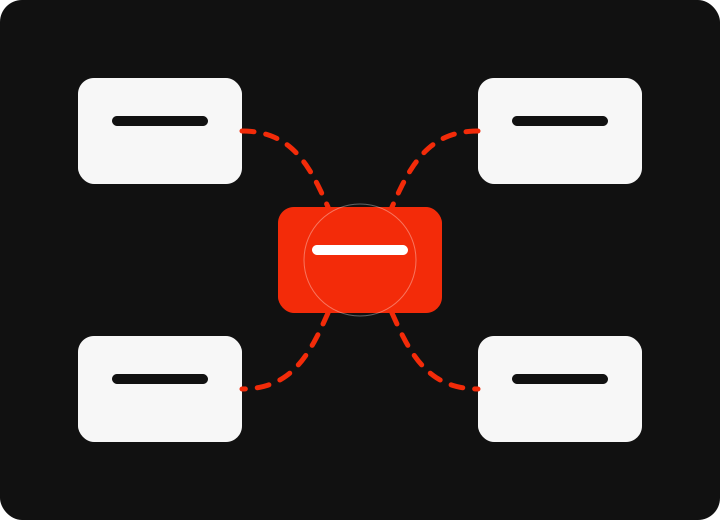
We map pages, layouts, components, API needs, CMS fields, authentication, deployment targets, and the first release milestone.
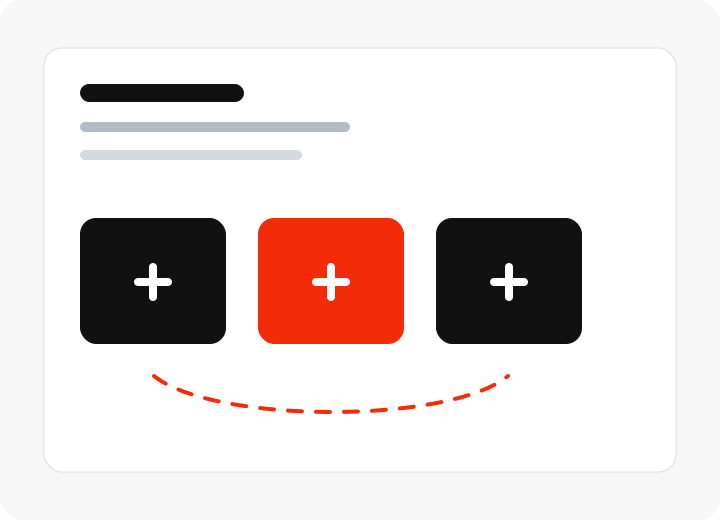
The App Router, UI components, forms, CMS previews, API routes, database workflows, and responsive behavior move together.
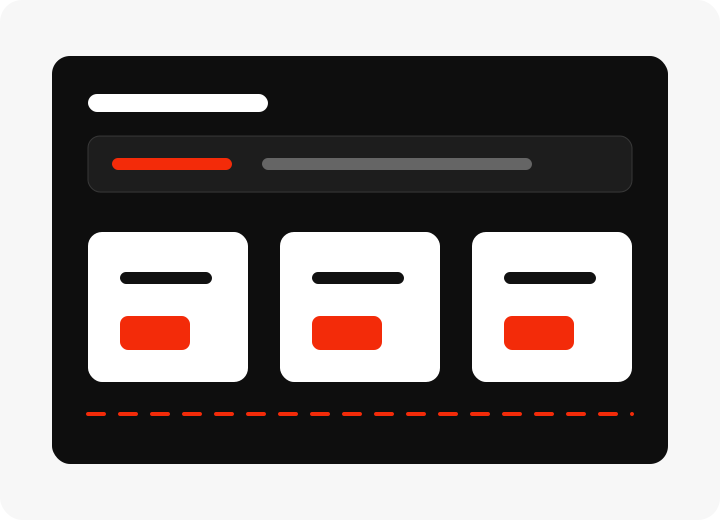
We check browser behavior, mobile layouts, metadata, schema, analytics, forms, caching, security headers, and production deployment.
Next.js can be the front door for content, products, accounts, forms, dashboards, and internal data. We keep those connections clear and maintainable.
Strapi, WordPress, custom CMS models, preview workflows, reusable content sections, and media handling.
PostgreSQL, MySQL, Redis, Prisma-style workflows, imports, exports, reporting dashboards, and data validation.
Shopify, WooCommerce, Stripe, checkout handoff, subscriptions, product catalogs, and order workflows.
Customer accounts, admin roles, protected routes, session handling, passwordless login, and secure forms.
HubSpot, analytics events, landing pages, SEO metadata, schema, campaign pages, and conversion tracking.
Vercel, AWS, Google Cloud, Cloudflare, environment variables, preview builds, monitoring, and launch support.
A professional Next.js build needs more than a good homepage. We keep content, releases, workflows, and performance visible throughout the project.
Readable URLs, metadata, schema, internal links, fast rendering, and content models that search engines and users can understand.
Branches, preview URLs, environment separation, QA checklists, redirects, and deployment notes that reduce launch surprises.
Forms, APIs, CMS webhooks, CRM updates, emails, dashboards, and data flows connected around the way your team works.
Caching, component boundaries, code organization, monitoring, image handling, and performance rules that keep growth practical.
Server-rendered pages and performance-minded UI
Routes, components, data, and content that are easy to extend
APIs, CMS, forms, CRM, payments, and cloud workflows
SEO, redirects, QA, deployment, and monitoring details covered
Build dashboards, portals, onboarding flows, account areas, admin tools, and user-facing product pages on a maintainable Next.js foundation.
Ship fast service pages, landing pages, resource hubs, CMS sections, SEO structure, and campaign workflows without slow editing cycles.
Connect forms, data, automations, internal tools, reports, and customer workflows into a clean application instead of manual handoffs.
We build Next.js websites, App Router applications, dashboards, portals, CMS-driven pages, API routes, integrations, performance improvements, SEO foundations, and production deployments.
Yes. We can review architecture, routing, components, data fetching, bundle size, Core Web Vitals, metadata, forms, integrations, and deployment setup, then improve the highest-impact areas first.
Yes. We can connect Next.js to Strapi, WordPress, custom admin tools, or another CMS, with reusable content sections, preview workflows, media handling, and practical editor handoff.
Yes. A Next.js project can include API routes, authentication, database workflows, webhooks, payment flows, CRM handoff, emails, and integrations when the product needs them.
Share the website, app, dashboard, portal, or workflow you want to build. We will help define the cleanest architecture and first release milestone.